

In today’s fast-paced world, the ability to “How to Spot the Best Online Casino Games in Bangladesh Mostbet” has become essential for consumers and professionals alike. Whether you are shopping for a new gadget, searching for the best service provider, or evaluating options for a significant purchase, knowing how to differentiate the good from the mediocre can save you time, money, and a lot of frustration. This article will provide you with valuable insights and practical strategies to help you identify quality in a variety of contexts.
Understanding Your Needs
Before you can spot the best, you need to have a clear understanding of your own needs and preferences. Begin by asking yourself a few questions:
- What are the specific features that are most important to me?
- What is my budget, and how much am I willing to invest for quality?
- What are my expectations regarding durability, performance, and reliability?
By defining your requirements, you create a foundation upon which you can evaluate your options effectively.
Research Thoroughly
Once you have established your needs, it’s time to engage in some research. The Internet is a treasure trove of information, so make use of various resources:
- Online Reviews: Websites like Amazon, Yelp, or specialized review sites provide insights from other consumers. Look for products or services that have a high number of positive reviews.
- Expert Opinions: Seek out expert evaluations, which can be found in blogs, comparison websites, and industry publications. Experts are often able to provide a more detailed analysis of product specifications and performances.
- Social Media: Platforms like Facebook, Instagram, and Twitter can offer firsthand consumer experiences. Look for posts, stories, or tweets that highlight customer opinions.
The more information you gather, the better equipped you’ll be to make an informed choice.
Identifying Quality Indicators

Knowing what to look for in terms of quality indicators can help you spot the best options quickly. Here are some key aspects to consider:
- Brand Reputation: Well-established brands often have a reputation for quality. However, don’t dismiss newer brands if they have positive reviews and recommendations.
- Product Specifications: Pay attention to the details. For electronics, check battery life, processor speed, and features. For services, look at coverage areas, customer support, and contracted service levels.
- Warranties and Return Policies: Products backed by warranties are generally a safer bet. A good return policy can also indicate a company that stands behind its products.
Asking the Right Questions
When evaluating options, don’t hesitate to ask questions. Whether you are dealing with a salesperson, a service representative, or an online chat, asking the right questions can reveal a lot about the quality of what you are considering. Here are some examples:
- What differentiates this product or service from competitors?
- Can you provide any customer testimonials or case studies?
- How does the company handle customer support and complaints?
The responses you receive can provide insights into both the company’s confidence in its offerings and its commitment to customer satisfaction.
Utilizing Comparison Tools
In many cases, comparison websites and tools can be your best friends. They allow you to evaluate multiple options side by side, making it easier to spot the best one. Look for tools that allow comparisons based on:
- Price
- Features
- Consumer ratings
Always double-check the underlying data for these comparison tools to ensure you are working with up-to-date and accurate information.
Learning to Trust Your Instincts
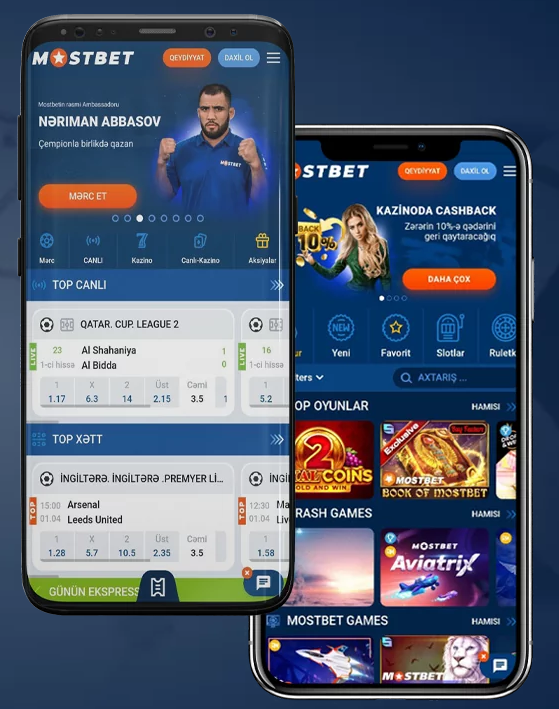
After extensive research, evaluation, and comparison, it’s crucial to listen to your instincts. Sometimes, despite all the data, your gut feeling can steer you toward the best decision. If something feels off about a product or service, take a step back and reassess. Trusting yourself can lead to valuable outcomes.
Making the Final Decision
After weighing your research, expert opinions, reviews, and gut instincts, it’s time to make a decision. Here are some tips to finalize your choice:
- Review your research notes and highlight the standout features of your top candidates.
- Consider any recently discovered promotions, discounts, or bundles that could enhance the value.
- Check if the product or service aligns seamlessly with your identified needs.
In many cases, taking the leap of faith can lead to surprising and satisfying experiences.
Post-Purchase Evaluation
Once you have made a purchase or committed to a service, your evaluation shouldn’t stop. Assess whether your choice met your expectations. Consider the following:
- Did the product perform as advertised?
- Was the customer service satisfactory if you had any issues?
- Would you recommend this product or service to others?
Reflecting on your experience can solidify your understanding of what constitutes “the best” and help you in future decision-making processes.
Conclusion
In conclusion, learning how to spot the best in any category is an ongoing skill that can significantly enhance your purchasing decisions. By understanding your needs, conducting thorough research, identifying quality indicators, asking important questions, utilizing comparison tools, trusting your instincts, and performing post-purchase evaluations, you equip yourself with the tools to make informed decisions. With practice, these strategies will allow you to confidently navigate the marketplace and select the highest quality products and services that meet your needs.